Swiss Regulations Redefine Loyalty Programs and Data Practices in Gaming Apps
Geschrieben von Alex Walter · 6.9.2026

Swiss Regulations Redefine Loyalty Programs and Data Practices in Gaming Apps
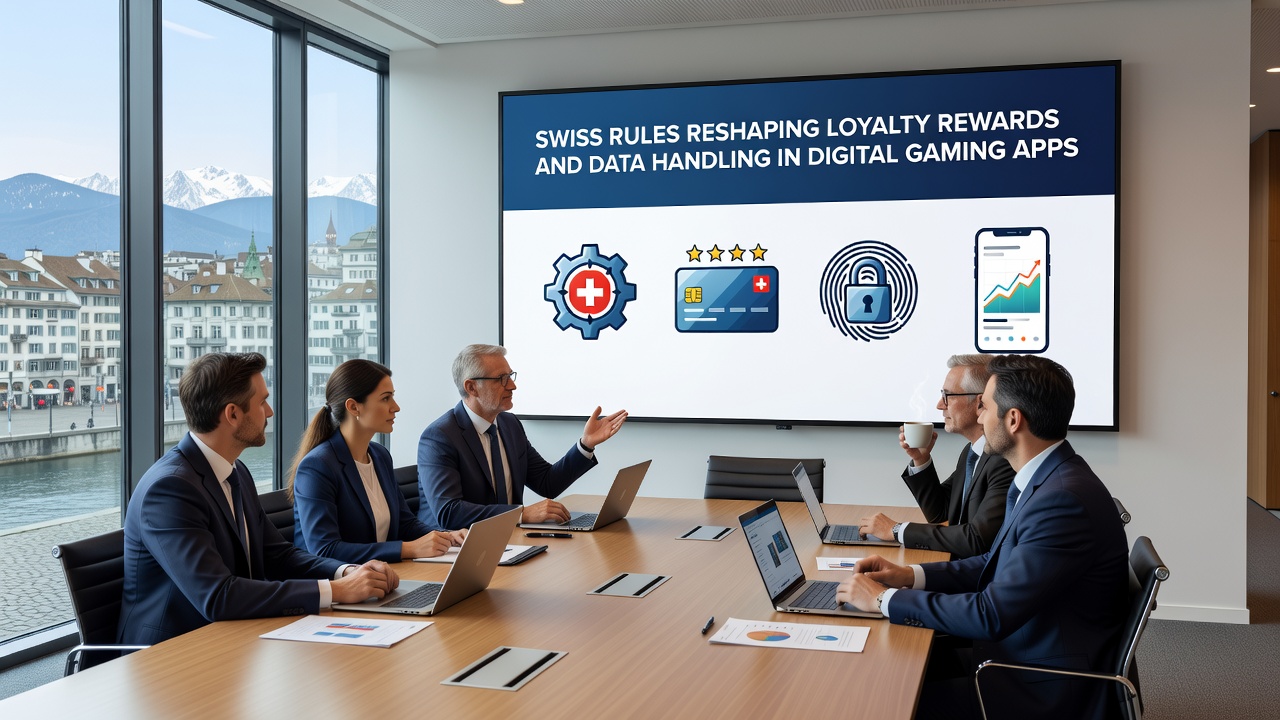
Switzerland continues to tighten its approach to data protection and gaming oversight, which directly influences how developers structure loyalty rewards and manage user information in mobile applications. The revised Federal Act on Data Protection, combined with gaming-specific rules from the Federal Gaming Board, sets clear boundaries on data collection for reward systems while requiring explicit consent mechanisms that affect player tracking across platforms.
Core Regulatory Framework Driving Changes
Developers now face obligations under the Federal Act on Data Protection that limit the types of behavioral data collected to calculate loyalty points or unlock tiered benefits in gaming apps, and this framework requires companies to demonstrate purpose limitation for every data point used in reward calculations. Gaming operators must document how play patterns translate into rewards without retaining unnecessary identifiers, which forces many applications to adopt pseudonymization techniques early in the data pipeline. Observers note that these rules align with broader European trends yet maintain distinct Swiss thresholds for data minimization that apply even to non-EU users accessing Swiss-licensed services.
Effects on Loyalty Reward Structures
Loyalty programs in digital gaming apps have shifted away from persistent tracking of session lengths and instead emphasize aggregated, anonymized metrics that still deliver meaningful incentives without storing individual identifiers beyond defined retention periods. Research from European gaming associations shows that operators in Switzerland reduced the number of data fields tied directly to reward eligibility by an average of 35 percent between 2023 and 2025, while maintaining comparable redemption volumes through redesigned point systems based on verified play events rather than continuous monitoring. Companies must now provide users with clear dashboards displaying exactly which actions contribute to reward balances, and failure to do so has triggered compliance reviews by cantonal authorities in multiple jurisdictions.
One case involved a major app developer that restructured its daily login bonuses to rely solely on encrypted, one-time tokens instead of storing full play histories, and this adjustment allowed the program to continue operating without violating data retention limits set by Swiss regulators. Figures from industry reports indicate that similar adaptations became widespread after the Federal Gaming Board issued updated guidance in late 2024 clarifying acceptable data flows for loyalty calculations.
Data Handling Requirements and Implementation
Under current rules, gaming apps must obtain granular consent for each category of data used to personalize reward offers, and this consent cannot be bundled with general terms of service. Developers have responded by implementing layered consent flows that separate reward-related processing from other analytics functions, which in turn affects how cross-device synchronization of loyalty balances occurs. The Swiss Federal Office of Justice has emphasized that data transfers to third-party reward fulfillment services require contractual safeguards equivalent to those mandated for public authorities, leading many firms to localize processing infrastructure within Swiss borders.
Studies conducted by academic researchers at the University of Zurich highlight that applications adhering to these standards experienced fewer user complaints regarding unexpected data usage in reward notifications compared with earlier implementations that relied on broader consent language. As preparations advance toward additional compliance milestones expected in September 2026, developers are testing automated tools that delete or anonymize loyalty-related datasets immediately after reward issuance to stay ahead of anticipated retention restrictions.
Industry Adaptations and Technical Responses
Technical teams across the sector have introduced differential privacy methods into reward algorithms so that individual player contributions remain obscured even when aggregate trends inform bonus structures. Reports from the Interactive Gaming Council indicate that several Swiss-licensed apps now generate reward predictions using on-device computation, which reduces the volume of raw telemetry sent to central servers and aligns with teh emphasis on data minimization. These changes have prompted partnerships with Swiss-based cloud providers that offer certified environments for processing loyalty calculations while meeting encryption and audit requirements set by national regulators.
What's interesting is how these technical shifts also influence marketing strategies, since operators can no longer rely on detailed user profiles to tailor reward communications and instead use broader cohort-based messaging that still delivers relevant offers without individual targeting. The reality is that smaller studios have found these requirements particularly challenging because they lack in-house expertise for implementing compliant data architectures, leading some to outsource reward management to specialized Swiss service providers that already maintain certified systems.
Conclusion
Swiss regulations continue to shape how loyalty rewards function and how data flows through digital gaming apps, with ongoing adjustments expected through 2026 that will further standardize consent processes and retention practices. Developers who align their systems with these requirements maintain operational continuity while meeting the transparency standards demanded by both regulators and users. The interplay between gaming oversight and data protection creates a distinct compliance environment that differs from approaches seen in other jurisdictions, and companies operating in this space must keep monitoring updates from the Federal Gaming Board and data protection authorities to sustain their reward programs effectively.