Swiss Regulatory Oversight and Its Effects on Bonus Mechanisms in the Online Gaming Industry
Geschrieben von Ines Long · 22.8.2026
Swiss Regulatory Oversight and Its Effects on Bonus Mechanisms in the Online Gaming Industry
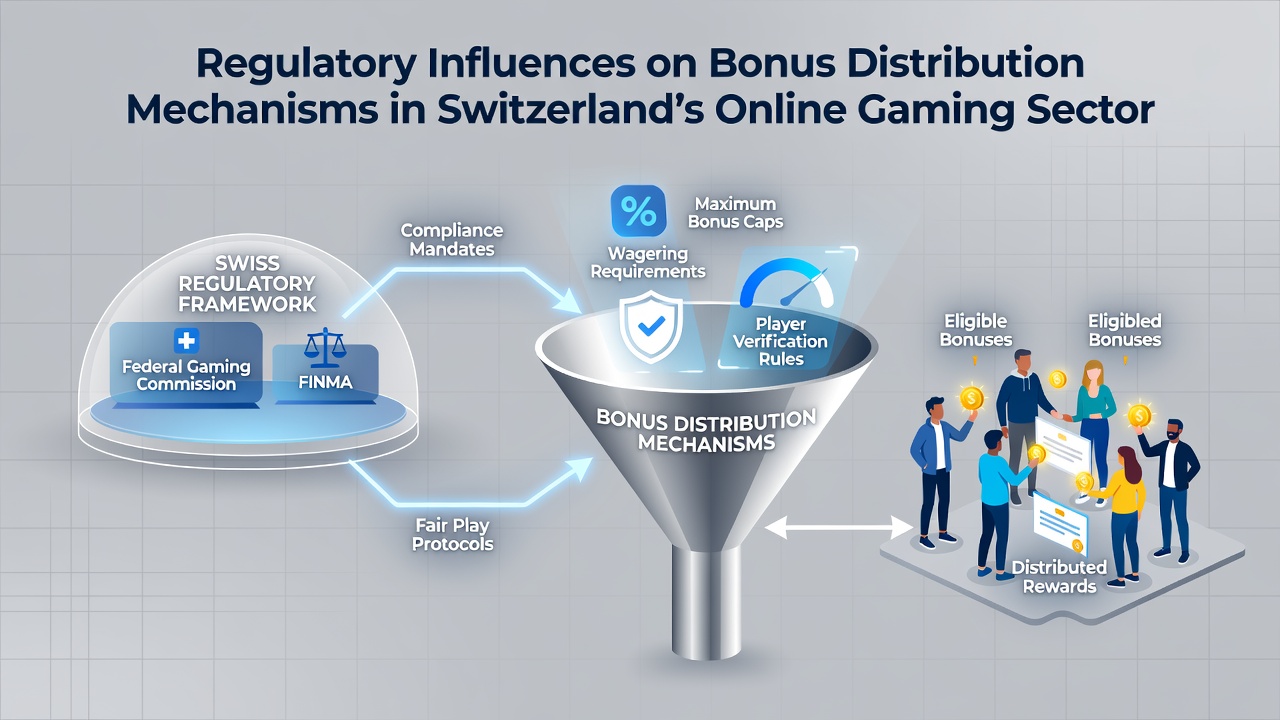
Switzerland maintains a structured approach to online gaming through federal legislation that directly shapes how operators distribute promotional bonuses, with rules designed to promote transparency and responsible participation across licensed platforms. The Federal Act on Games of Chance and Casinos, enacted in 2019, established core parameters that continue to influence bonus mechanisms as operators adapt to ongoing compliance requirements.
Core Legislative Framework Governing Promotional Offers
Under the current system the Swiss Federal Gaming Board reviews all bonus structures before they reach players, requiring operators to submit detailed plans that outline wagering conditions, expiration periods, and eligibility criteria. Data from regulatory filings indicate that bonus values must align with deposit amounts in ways that prevent excessive leveraging, while separate provisions cap the maximum convertible amounts tied to any single promotion. Observers note that these constraints emerged from earlier concerns over player retention tactics that could obscure actual payout ratios, leading to standardized disclosure formats that appear consistently across approved sites.
Transparency Mandates and Reporting Obligations
Operators must publish bonus terms in both German, French, and Italian, ensuring accessibility for Switzerland's multilingual population, and they file monthly reports detailing the volume of bonuses issued alongside player engagement metrics. According to records maintained by the Federal Office of Justice, these submissions help track patterns in bonus uptake, with particular attention paid to repeat usage that might signal heightened risk behaviors. Platforms operating under cantonal licenses face additional layers of scrutiny, since local authorities can impose supplementary limits on promotional frequency within their jurisdictions.
Technical Requirements for Bonus Distribution Systems
Software used for bonus allocation undergoes certification processes that verify automated compliance with anti-money laundering protocols, including real-time checks against player account histories before any promotional credit activates. Research compiled by the Swiss Institute of Comparative Law highlights how these technical safeguards integrate with broader payment verification steps, reducing opportunities for bonus abuse across multiple accounts. In practice this means operators cannot deploy time-limited offers without embedding audit trails that regulators can access during scheduled inspections.
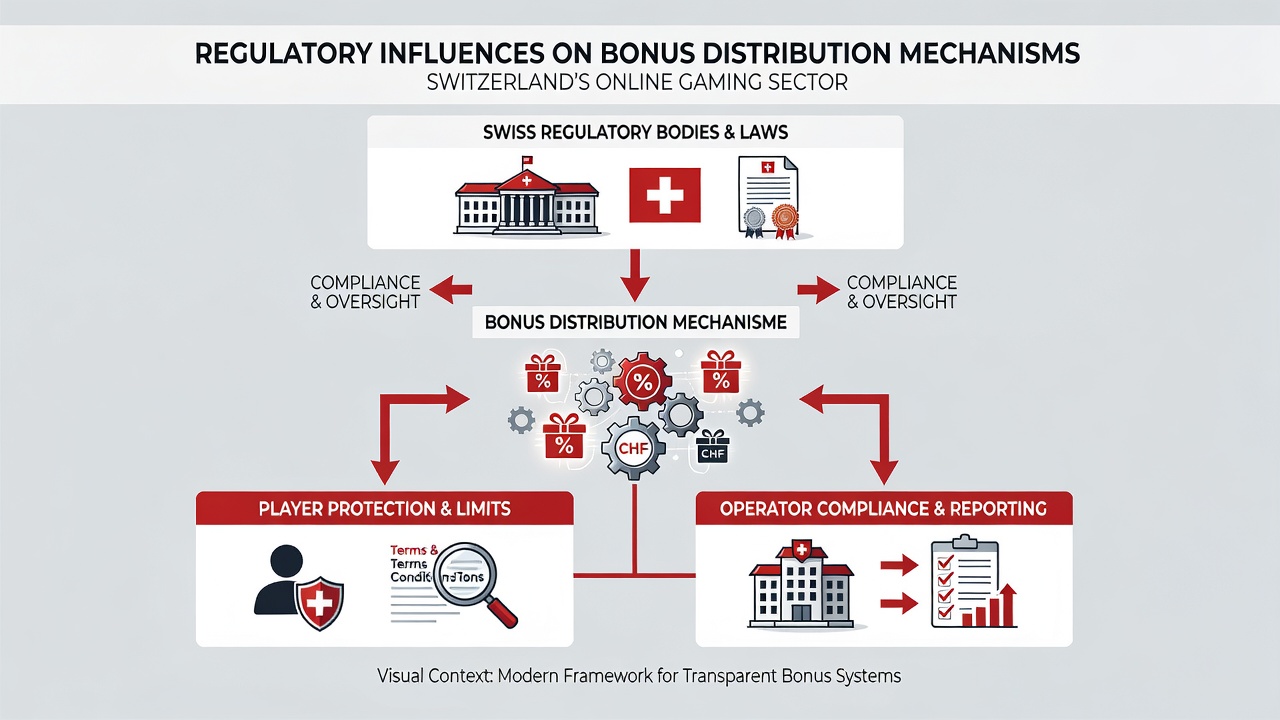
By August 2026 authorities plan to introduce updated digital reporting interfaces that will streamline the submission of bonus-related data, allowing faster identification of non-compliant distributions while maintaining the same core limits on wagering multipliers. These enhancements build on existing frameworks rather than introducing entirely new restrictions, reflecting a pattern of incremental refinement that has characterized Swiss gaming policy for several years.
Comparative Elements from International Regulatory Models
Although Swiss rules remain distinct, elements parallel those found in other jurisdictions such as the frameworks administered by the Australian Communications and Media Authority, where bonus caps also tie directly to responsible gaming indicators. A study published through the University of Melbourne's gambling research program examined similar mechanisms and found measurable reductions in high-frequency bonus claims following stricter disclosure rules. Swiss regulators reference such external analyses during policy reviews, incorporating select practices that align with domestic priorities around player protection and market stability.
Industry Adaptation and Compliance Costs
Licensed operators report allocating significant resources toward legal and technical teams that monitor evolving bonus guidelines, with annual compliance expenditures often exceeding earlier estimates from pre-2019 operations. Industry associations document how smaller platforms consolidate resources or partner with larger groups to manage the administrative burden of pre-approval processes for each new promotional campaign. These adjustments have produced more uniform bonus offerings across the sector, as operators converge on structures that satisfy the Federal Gaming Board's review criteria without repeated revisions.
Future Adjustments and Monitoring Mechanisms
Continued evaluation of bonus distribution data supports periodic recalibration of rules, with emphasis placed on metrics that reveal player retention versus expenditure patterns. External analyses from organizations such as the European Gaming and Betting Association provide supplementary context during these reviews, offering benchmarks drawn from multiple markets. Regulators maintain that any modifications scheduled around August 2026 will prioritize consistency with existing transparency standards rather than expansion of promotional freedoms.
Conclusion
The interplay between Swiss federal oversight and bonus distribution mechanisms produces a tightly coordinated system in which every promotional element undergoes documented review before reaching players. Through structured reporting, technical certification, and alignment with broader responsible gaming objectives, the regulatory environment shapes operator behavior in measurable ways that extend beyond simple approval processes. As updates approach in August 2026, the focus remains on refining existing tools to sustain compliance while preserving market access for licensed entities.