Switzerland's Licensing Regulations: Effects on Secure Mobile Transactions for Gamers
Geschrieben von Gisela Simmons · 18.8.2026
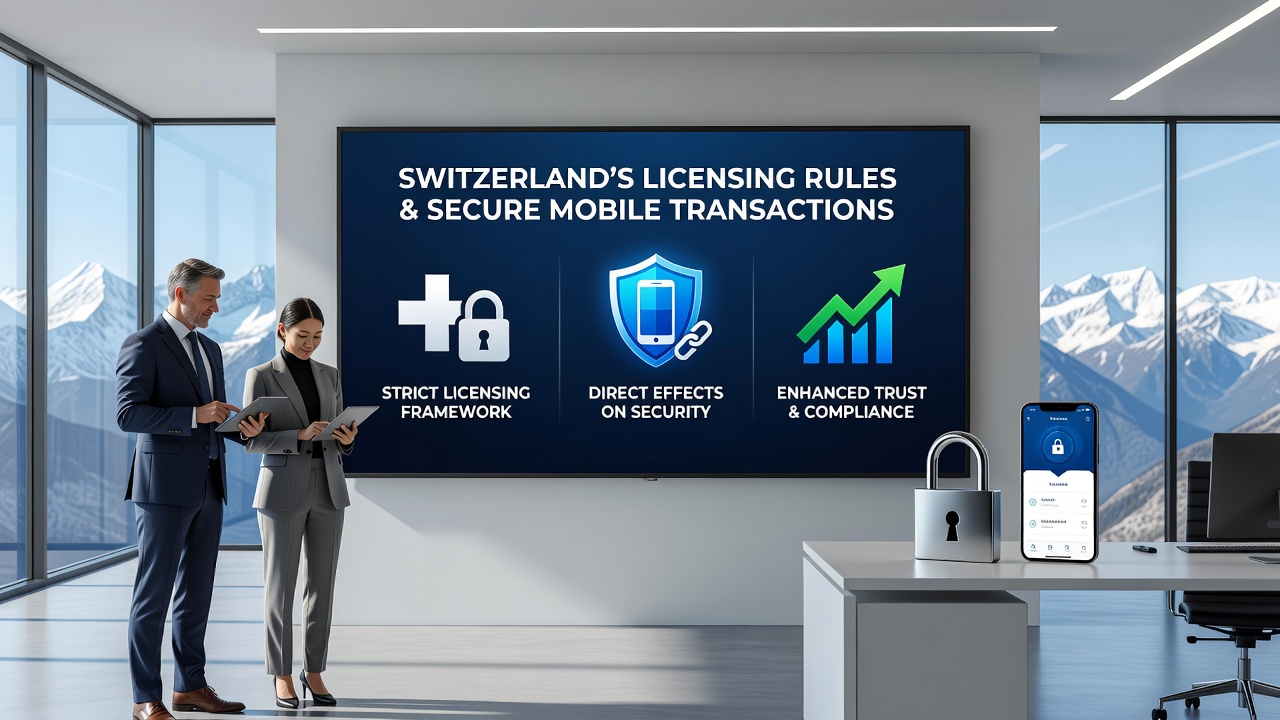
Switzerland's Licensing Regulations: Effects on Secure Mobile Transactions for Gamers
Switzerland maintains a tightly controlled licensing system for online gambling operators that directly shapes how mobile players complete financial transactions, and the Federal Act on Gambling which took effect in 2019 established clear requirements for all licensed entities to follow. Operators must obtain authorization from Swiss authorities before offering services, and this process includes mandatory standards for payment security that apply equally to desktop and mobile platforms. The rules emphasize encryption, identity verification, and restricted access to approved banking channels so that every transaction occurs within a monitored environment.
Core Licensing Standards and Their Scope
Applicants for a Swiss gambling license undergo rigorous evaluation that covers financial stability, technical infrastructure, and compliance with data protection measures, while the authorities require proof that all mobile applications will route payments through systems that prevent unauthorized access. Licensed operators cannot integrate third-party payment processors unless those providers meet Swiss regulatory criteria, and this restriction reduces exposure to fraud by limiting options to verified domestic and select international partners. Observers note that the framework forces companies to adopt uniform security protocols across devices, which eliminates gaps that might otherwise appear when players switch between phones and tablets.
Direct Impacts on Mobile Payment Security
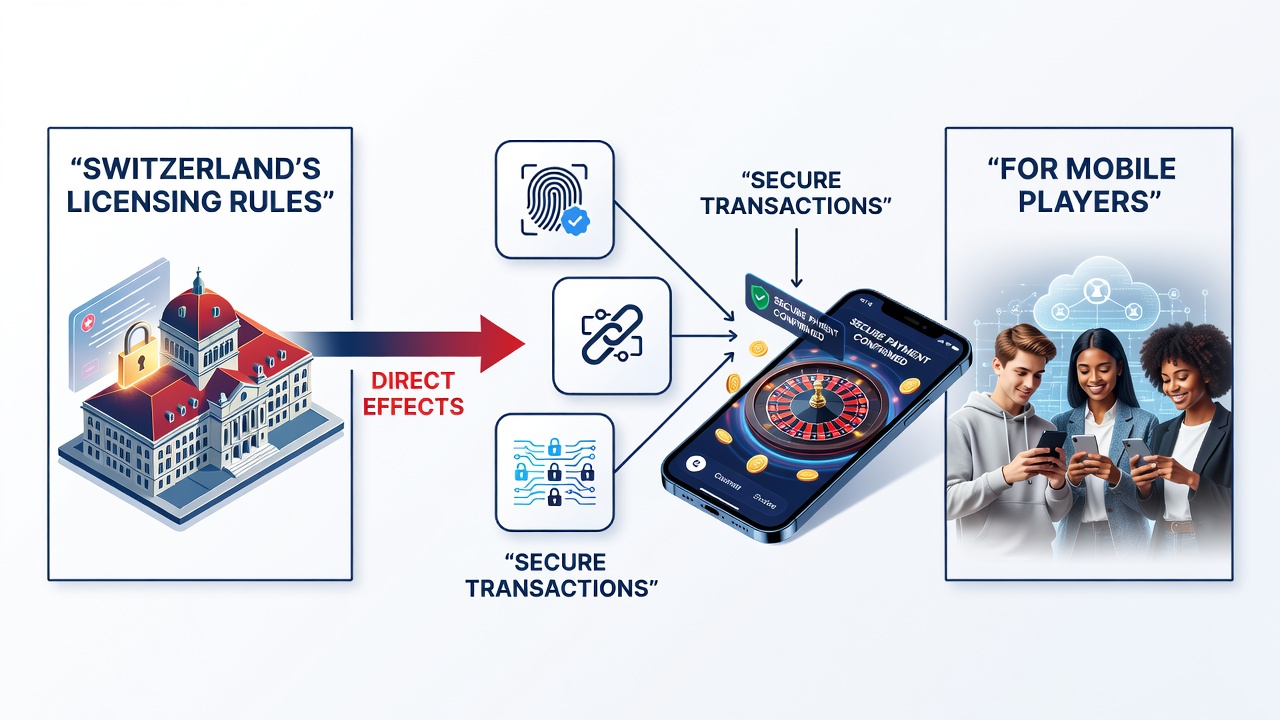
Every licensed operator must implement end-to-end encryption for mobile transactions and maintain logs that Swiss regulators can audit at any time, and these obligations extend to real-time monitoring tools that flag suspicious activity before funds move. Mobile players therefore encounter mandatory two-factor authentication steps during deposits and withdrawals, while the licensing conditions prohibit anonymous payment methods that could bypass verification. Research indicates that such controls have reduced reported incidents of payment disputes in the Swiss market since the law became active, because operators face fines or license revocation if they fail to meet the standards. The system also requires that all funds remain segregated in Swiss bank accounts, which adds another layer of protection when players initiate transfers from mobile devices during travel or at home.
Technical Requirements for Mobile Platforms
Software used on mobile devices must undergo independent testing to confirm it meets encryption benchmarks set by the licensing body, and developers must demonstrate that transaction data never leaves secure servers located within Switzerland or approved jurisdictions. This rule applies to both in-app purchases and browser-based play, so users experience consistent safeguards regardless of connection type. Figures from industry reports show that operators investing in these certified systems report higher retention among mobile users, since players recognize the added reliability when moving money on their phones.
Role of Identity Verification in Transaction Safety
Swiss licensing rules mandate that every player account links to verified personal data before any mobile transaction can proceed, and operators must cross-check information against official records to block accounts tied to restricted individuals. This process occurs at the point of registration and repeats for larger transfers, which prevents money laundering attempts that might otherwise exploit mobile channels. Those who have examined compliance data note that the requirement creates a closed loop where each payment traces back to an authenticated user, thereby strengthening overall transaction integrity across the sector.
Developments Expected by August 2026
Authorities have signaled that additional technical guidelines for mobile payment interfaces will enter review in August 2026, and these updates aim to align Swiss standards with emerging encryption technologies while preserving the existing licensing structure. Operators are already preparing systems to accommodate potential changes in authentication methods, and mobile players can expect continued emphasis on transaction logging and real-time alerts. The timeline allows companies sufficient preparation periods before any new rules take effect, which maintains stability in the secure payment environment that the current framework supports.
Comparison With Broader International Approaches
Swiss licensing differs from frameworks in other regions by requiring physical presence and local server storage for all transaction data, whereas authorities in places such as the Canadian Department of Justice permit more flexible cross-border arrangements under certain conditions. This distinction means mobile players in Switzerland encounter fewer options for payment but gain stronger oversight that ties directly to license conditions. A study published by the OECD on digital payment security highlights how localized control reduces certain categories of fraud, and Swiss operators have incorporated similar principles into their mobile offerings as a direct result of licensing obligations.
Conclusion
Switzerland's licensing regulations establish a direct connection between operator authorization and the security of mobile transactions by enforcing encryption, verification, and data segregation at every stage. These rules continue to evolve with scheduled reviews planned for August 2026, yet the core structure remains focused on protecting players through consistent technical and procedural requirements. The result is a system where mobile gaming transactions operate within clearly defined boundaries that prioritize traceability and safety over convenience.